New Cross Gate gardeners guide for Lewisham Way gardens
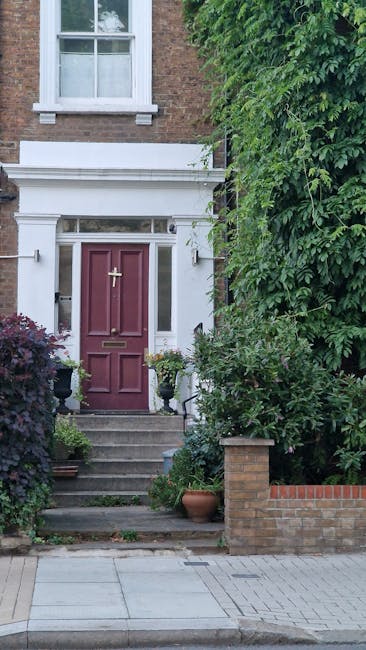
If you're looking after a garden along Lewisham Way, you already know the job is a bit more nuanced than "cut the grass and hope for the best". Soil can be patchy, space can be tight, wind bounces around in awkward ways, and one side of the garden may get full sun while the other stays shaded longer than you'd expect. This New Cross Gate gardeners guide for Lewisham Way gardens is here to make the whole thing simpler, calmer, and much more workable.
Whether you're a homeowner, a landlord, or someone just trying to bring a tired patch of outdoor space back to life, the right plan can save time, reduce waste, and make a noticeable difference fast. A good local gardener is not just there for the obvious jobs. They help you choose what actually grows well, what to cut back now, what to leave alone, and how to keep the place manageable all year. Sounds basic, but in practice it's where most people need the help.
Below, you'll find a practical local guide covering the why, the how, the common mistakes, and the sensible next step if you want professional help. It's designed to be useful whether your garden is a small paved yard, a shared front space, or a more established plot that needs proper seasonal attention.
Expert summary: If your Lewisham Way garden feels overgrown, uneven, or hard to maintain, start with structure first, then planting, then routine care. That order usually gives the best long-term result, and it saves a lot of faffing about later.
Why New Cross Gate gardeners guide for Lewisham Way gardens Matters
Lewisham Way gardens sit in a very liveable but demanding part of inner south-east London. That means a garden often has to do more than look pretty. It may need to create privacy, soften hard landscaping, support pollinators, stay tidy enough for a front-facing property, and still be realistic to maintain when time is short. If that sounds familiar, you're in the right place.
A local approach matters because gardens in this part of London are shaped by real-world constraints: limited storage for tools, narrower access, neighbouring boundaries, and the simple fact that many people do not want a high-maintenance outdoor project. You can absolutely have a beautiful garden here, but it helps to work with the conditions rather than fighting them. Truth be told, that's where a lot of DIY efforts go sideways.
There is also a big difference between "tidy" and "healthy". A clipped hedge can still be weak. A freshly swept patio can still sit under poor drainage. A border can look full in July and then vanish by October. Good gardening is about sequencing, timing, and local judgement. The best results usually come from understanding the site first, then acting with purpose.
For people comparing professional help, this is also where trust signals matter. You want a team that can explain what they're doing, how they handle waste, and how they manage safety on site. That's why it can be worth reviewing a provider's garden services overview alongside their about us page before you book. It gives you a better feel for how they work, not just what they say they can do.
How New Cross Gate gardeners guide for Lewisham Way gardens Works
At its core, the process is straightforward, but the order matters. A sensible gardening plan usually begins with a quick assessment of the space. That means looking at sunlight, shade, soil condition, drainage, access, boundary issues, and the amount of time the garden realistically gets each week. You would be surprised how often the wrong plant choice starts with skipping this part.
From there, the work usually falls into a few stages. First comes clearing and reshaping: removing dead growth, tidying beds, cutting back overgrowth, and making paths or edges usable again. Then comes structure: pruning, hedge shaping, lawn repair, border definition, and any basic repairs that stop the garden from feeling messy. After that, planting and finish work bring the space together. Finally, a maintenance rhythm keeps it from slipping back into chaos by week three.
In practice, that rhythm might mean weekly visits during the growing season, occasional pruning in quieter months, and one or two bigger seasonal sessions. You don't always need everything all at once. Sometimes one focused visit to reset the garden is enough to get things breathing again. Then you build from there.
If you're unsure how a professional service is structured, it can help to look at the provider's pricing and quotes information before making assumptions. Transparent quoting usually makes life easier for everyone, especially when a garden has hidden complications like heavy cuttings, stubborn roots, or awkward access down the side return.
Key Benefits and Practical Advantages
The obvious benefit is that the garden looks better. But to be fair, that's only the start. A well-managed Lewisham Way garden can be easier to use, cheaper to maintain, and less stressful to keep on top of through the seasons.
- Better use of space: Compact London gardens benefit from planning that makes every square metre count.
- Less recurring mess: Proper pruning and edging reduce the cycle of "it was tidy last month, now it's gone again".
- Healthier plants: Better airflow, correct cutting, and soil care often improve resilience.
- Safer access: Clear paths and manageable growth reduce trip risks and improve day-to-day usability.
- More manageable upkeep: A garden that is set up well usually needs less rescue work later.
- Better first impressions: Important for homes, rentals, and any property where street appeal matters.
There's also a practical emotional benefit. A garden that feels under control can make a place feel calmer in a way people notice immediately. You step outside in the morning, and instead of seeing a list of problems, you see something usable. That changes how a home feels. Small thing? Maybe. But it matters.
If sustainability matters to you, a good local gardener can also help reduce waste and reuse materials sensibly. It's worth checking a team's recycling and sustainability approach if you want cuttings, soil waste, and green waste handled responsibly.
Who This Is For and When It Makes Sense
This guide is useful for a few different kinds of people, and probably more than you'd expect. The common thread is simple: the garden needs more care than you've got time, tools, or confidence for right now.
You may need this if you are:
- a homeowner trying to reclaim an overgrown back garden
- a landlord keeping a rental property presentable between tenancies
- a tenant with permission to improve a shared outdoor space
- someone preparing a property for sale or letting
- a busy family trying to reduce weekend garden chores
- an older resident who wants the garden maintained safely and reliably
It also makes sense if you have a garden that looks fine from a distance but is quietly becoming difficult. You know the type: weeds building in the border, a hedge that's getting too wide, one patch of lawn that never quite recovers, and a compost heap that is becoming a bit of a political situation. A professional can help before those small issues turn into a bigger job.
And if you're comparing options or deciding whether to book in person, phone, or online, it's sensible to review a provider's contact details and booking process first. A quick conversation often tells you more than a dozen photos ever will.
Step-by-Step Guidance
If you want better results from Lewisham Way garden care, follow the work in a sensible order. Not everything needs doing at once, though sometimes it feels like it does on a rainy Saturday afternoon.
- Inspect the garden properly. Walk the space and note sun, shade, drainage, overgrowth, weeds, moss, broken edges, and anything unsafe or awkward.
- Decide on the main outcome. Is the goal tidiness, planting, privacy, low maintenance, or a full refresh? Without that, the job can drift.
- Clear and reduce clutter. Remove dead material, old supports, damaged pots, and anything blocking the working area.
- Cut back with purpose. Prune hedges, shrubs, and climbing growth using the right technique for the plant, not just brute force.
- Reset the borders and lawn. Edge beds, treat compacted areas, and deal with weeds before adding new plants.
- Improve soil and planting zones. Add compost or organic matter where needed, and match plant choices to light and moisture conditions.
- Finish with a maintenance plan. Decide what gets done weekly, monthly, and seasonally so the garden stays under control.
A useful rule of thumb: tackle structure before decoration. People often want to buy plants first. Fair enough, they're the fun part. But if the hedge is wild, the path is slippery, and the soil is tired, new plants will not perform miracles. Gardening is rarely glamorous in the first hour. Then suddenly it is.
For those who want a more complete service picture, checking the provider's service range can help you see whether they cover regular maintenance, clearance, pruning, lawn care, or one-off tidy-ups.
Expert Tips for Better Results
Here's where local experience really pays off. The best garden work in a place like New Cross Gate is often about restraint, timing, and consistency rather than dramatic changes.
1. Don't overcut shrubs in one go. Many shrubs recover better from staged reduction than from a heavy haircut. If you take too much at once, you can leave them stressed and uneven.
2. Watch where the water goes. In mixed London gardens, drainage is often patchy. If a bed stays wet for days, choose plants accordingly rather than fighting the site.
3. Use boundaries carefully. Side returns, fences, and neighbour-facing edges often show every mistake. Tidy lines and clear edges make a big visual difference.
4. Keep the maintenance habit small. Ten minutes a week with a bin bag and secateurs can save a three-hour rescue job later. A boring truth, but a useful one.
5. Match planting to your actual lifestyle. If you travel often or simply don't enjoy ongoing maintenance, choose robust, low-fuss planting rather than fragile showpieces.
6. Plan for the seasons, not just the moment. A garden that looks brilliant in June can become scruffy by September if it has no structural backbone.
One small thing people overlook: let the garden breathe. Crowded planting can look lush at first, but it quickly becomes harder to care for. Space is not wasted space. Often it's what keeps the whole layout legible.
If you want reassurance around safety and working practices, review the provider's health and safety policy and insurance and safety information. That is a sensible step, not paranoia.
Common Mistakes to Avoid
Most garden problems are not caused by one huge error. They come from a few small misjudgements repeated over time. Here are the ones that show up again and again.
- Cutting everything back at the wrong time: Some plants resent hard pruning in the wrong season.
- Ignoring the soil: A plant may look unhappy because the ground beneath it is compacted, not because it is "bad".
- Choosing plants for looks only: Nice in the shop, hopeless in a windy shaded yard. Happens all the time.
- Leaving waste to build up: It blocks access, attracts pests, and makes the job feel worse than it is.
- Planting too densely: It can look full initially, then become crowded and weak.
- Skipping regular edges and borders: Untidy edges make even a decent garden look neglected.
One mistake deserves special mention: starting with expensive planting before fixing the basics. If the lawn is uneven, the beds are overrun, or the hedge is swallowing light, put the money into the foundations first. You'll get more lasting value that way.
Another subtle one is assuming every garden problem needs the same solution. Not true. A dry front garden needs different choices from a damp rear courtyard. A shared terrace needs different priorities from a private family plot. The site sets the rules, whether we like it or not.
Tools, Resources and Recommendations
You don't need a van full of equipment to maintain a Lewisham Way garden well, but you do need the right basics. A professional team will usually bring sharper, safer, and more efficient tools than a casual DIY setup, which is one reason the work often looks cleaner at the edges.
Useful tools and materials often include:
- secateurs for precise pruning
- loppers for thicker stems
- hedge cutters for shaping and reduction
- spades and hand forks for border work
- rakes for clearing and levelling
- good-quality compost or soil improver
- mulch for moisture retention and weed suppression
- gloves, eye protection, and sturdy footwear
Resources matter too, especially when you want to understand how the work is priced, handled, and supported. Before booking, it can help to read a company's pricing and quotes guidance, along with practical policies such as payment and security and terms and conditions. Those pages give useful clarity and reduce awkward surprises later.
And if you're the sort of person who likes to know who you are dealing with, the about us page is often surprisingly helpful. It should tell you whether the company feels experienced, local, and straightforward. That kind of trust is worth a lot.
Law, Compliance, Standards, or Best Practice
Garden work isn't usually complicated from a legal point of view, but there are still sensible standards to follow. If work is being done near boundaries, paths, shared access routes, or communal spaces, care matters. So does communication. Nobody enjoys a surprise hedge cut or a skipped safety check.
In the UK, good practice usually means:
- working safely with appropriate equipment
- handling waste responsibly
- respecting neighbour boundaries and access
- avoiding damage to walls, fences, pipes, or paving
- using trained judgment for pruning and plant care
- being clear about scope, timing, and responsibility
If a provider works on-site, it is sensible to expect proper attention to risk, safe tool handling, and clear communication. Insurance is another practical consideration. Not dramatic, just sensible. You can check a provider's health and safety policy and insurance and safety details before agreeing to work.
There is also the matter of waste and sustainability. Green waste should be managed carefully, and reusable material should be separated where practical. If that matters to you, ask how cuttings, soil, and cleared material are handled. A trustworthy company should be able to explain it plainly. No jargon needed.
Finally, if you have access needs or want the service presented in a specific way, it can be helpful to review an accessibility statement. Good service should be accessible in practice, not just on paper.
Options, Methods, or Comparison Table
Different gardens need different levels of support. The right choice depends on how much work is needed now and how much upkeep you want going forward.
| Option | Best for | Strengths | Trade-offs |
|---|---|---|---|
| One-off tidy-up | Overgrown or neglected gardens that need a reset | Fast visible improvement, useful before an event or move | Doesn't maintain progress unless followed by ongoing care |
| Regular maintenance | Homes that need steady, low-stress upkeep | Keeps things consistent and manageable | Less dramatic if you want a full transformation immediately |
| Seasonal visit | Gardens that mostly stay under control but need key interventions | Good balance of cost and care | May not suit fast-growing spaces |
| Full garden refresh | Spaces with poor layout, weak planting, or tired features | Best for long-term improvement | More planning needed and usually a bigger budget |
If you're unsure, start with a one-off assessment or reset. That approach gives you a clear picture of what the garden really needs. Then you can decide whether regular maintenance is worth it, which in many cases it absolutely is.
Case Study or Real-World Example
Here's a realistic example from the kind of work that comes up often in this area. A small rear garden off Lewisham Way had become difficult to use. The lawn was patchy, the borders were full of weeds, and a hedge along one side was blocking light into the lower half of the garden. Nothing dramatic, but it felt tired and slightly frustrating every time the owner looked out the back door.
The first visit focused on clearance and structure. Dead material was removed, the borders were cut back, the hedge was reduced carefully rather than hacked down, and the edges were reset so the space looked defined again. After that, the soil was improved in the planting areas and a smaller number of more suitable plants were added. Not many, just enough to bring shape and life without creating extra maintenance.
By the end, the garden wasn't transformed into a magazine spread. That would be a bit silly to promise. But it became usable, lighter, and easier to care for. The owner could sit outside without feeling like they were staring at a job list. That's the kind of success that matters most in real life.
It's a good reminder that a garden doesn't need to be huge or perfect to feel good. It just needs to work for the people using it.
Practical Checklist
Use this checklist if you're getting ready to book garden help or plan your own work.
- Walk the full garden and note the biggest problem areas.
- Decide whether the priority is tidiness, planting, or ongoing care.
- Check access for tools, bins, and waste removal.
- Identify any dangerous, unstable, or damaged features.
- Look at sun, shade, and damp areas before choosing plants.
- Separate urgent clearance from decorative improvements.
- Ask how cuttings and waste will be handled.
- Confirm whether the work is a one-off or part of a maintenance plan.
- Review safety, insurance, and pricing information before booking.
- Keep a simple seasonal plan so the garden doesn't drift back into disorder.
Quick reminder: the cheapest fix is not always the best value. A garden that is set up properly usually costs less to maintain over time, and that's the bit people tend to appreciate later.
Conclusion
A well-cared-for garden along Lewisham Way does more than improve the view. It makes the space easier to live with, easier to maintain, and far more rewarding to step into on an ordinary weekday morning. The best results usually come from simple, disciplined choices: clear the clutter, respect the site, prune with care, and build a maintenance pattern that fits real life.
Whether you need a one-off reset or ongoing help, the smartest move is to choose a gardening service that feels transparent, practical, and local. If you've been putting it off, that's understandable. Garden jobs have a habit of waiting patiently until suddenly they do not. But once you start, momentum builds quickly.
Get a free quote today and see how much you can save.
And if you want a team that understands the practical side of garden care as well as the visual side, explore the rest of the site, check the service details, and take the next step when you're ready. A calmer garden is closer than it looks.
Frequently Asked Questions
What does a New Cross Gate gardeners guide for Lewisham Way gardens actually cover?
It covers the practical parts of caring for gardens in this local area: clearance, pruning, lawn care, planting, seasonal maintenance, and the decisions that make a small or medium London garden easier to manage.
Is a one-off garden tidy-up enough for an overgrown garden?
Sometimes yes, especially if the main issue is neglect rather than poor layout. If the garden keeps growing back into a mess, though, a follow-up maintenance plan usually makes more sense.
How do I know whether I need regular garden maintenance or just a seasonal visit?
If the garden changes quickly through spring and summer, regular maintenance is often better. If it mostly stays tidy but needs bigger jobs a few times a year, seasonal visits may be enough.
What should I ask before booking a gardener in Lewisham Way?
Ask what is included, how waste is handled, whether the work is insured, how pricing is structured, and whether the job is one-off or ongoing. Clear answers usually tell you a lot.
Can a gardener help with both planting and clearance?
Yes, and that is usually the best combination. Clearing the space first gives planting a proper chance, rather than squeezing new plants into a cluttered or crowded bed.
Are there specific plants that work better in New Cross Gate gardens?
There is no single perfect list, because each garden has different light, soil, and moisture conditions. In practice, resilient plants that suit partial shade and urban conditions often perform well, but site matching matters more than trends.
How do I avoid my garden becoming overgrown again?
Set a simple routine. Even a small amount of regular care, plus seasonal pruning, can stop the garden slipping backwards. Most overgrowth problems start with gaps in routine, not one major event.
What if my garden has poor drainage or shady areas?
That is common, especially in tighter urban spaces. The solution is usually to choose the right plants, improve the soil where possible, and avoid forcing moisture-loving or sun-loving plants into the wrong place.
Should I review a company's policies before booking garden work?
Yes, especially for safety, insurance, payment, and terms. It takes a couple of minutes and can prevent confusion later. A trustworthy business should make that information easy to find.
Is sustainability important in garden maintenance?
It is, particularly where waste builds up quickly. Good practice usually means reusing what can be reused, recycling green waste where possible, and avoiding unnecessary disposal.
What if I want a quote but I'm not sure what the job includes?
That's normal. A good first step is to describe the garden honestly, mention the main problem areas, and ask for guidance on what would be included. You do not need a perfect brief before making contact.
Where can I find more information before I decide?
It helps to read the provider's service overview, pricing and quotes, and contact information. Those pages usually give a clear next step without any hard sell.